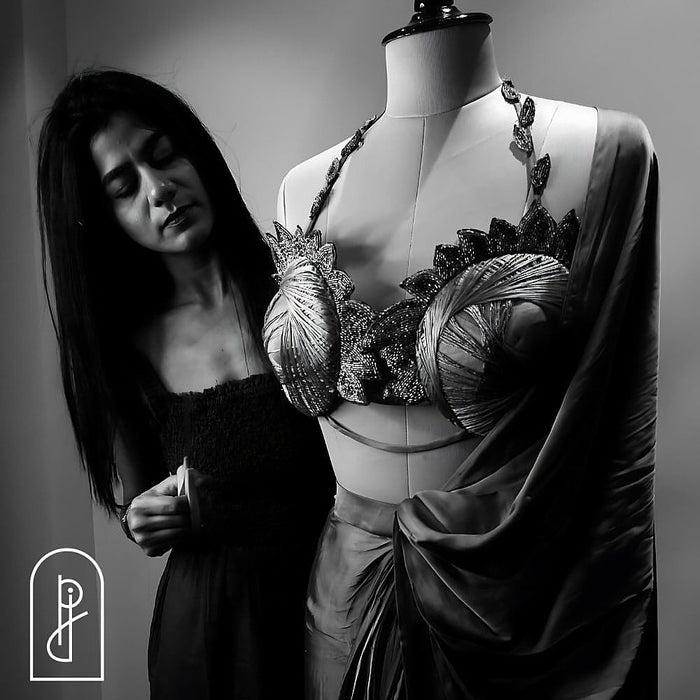
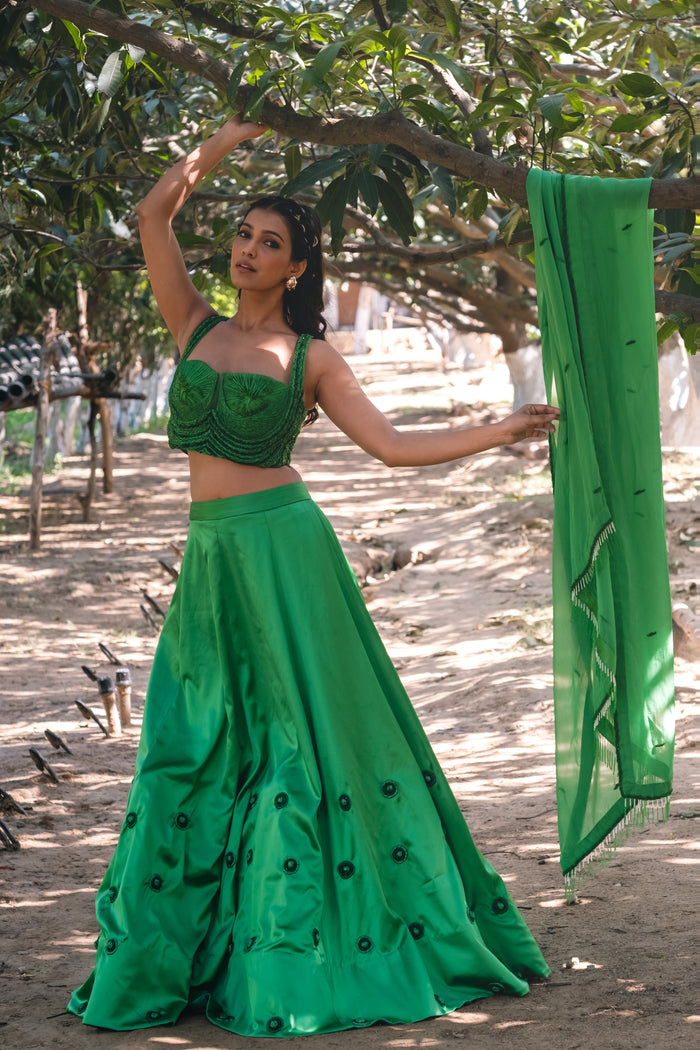
Fashion designing is much more than creating beautiful garments—it is the art of transforming imagination into wearable masterpieces. Every stitch, silhouette, fabric, and embellishment tells a story that reflects culture, personality, and craftsmanship. It is a profession where creativity meets technical expertise, allowing designers to create clothing that inspires confidence and leaves a lasting impression.
From traditional handwoven textiles to contemporary couture, fashion has always evolved with society. Designers shape trends, preserve heritage, and introduce innovative ideas that redefine elegance. Behind every stunning outfit lies countless hours of research, sketching, fabric selection, pattern making, embroidery, and meticulous handcrafting.
At Priyaanshi Jain, fashion designing is viewed as a journey of celebrating individuality through handcrafted couture, where every creation reflects timeless sophistication and exceptional artistry.
What Is Fashion Designing?
Fashion designing is the creative process of conceptualizing, planning, and producing garments and accessories that combine beauty with functionality. It involves understanding fabrics, colors, body proportions, silhouettes, and current trends to create clothing that is visually appealing, comfortable, and meaningful.
A fashion designer is much more than someone who sketches clothes. Designers are artists, storytellers, innovators, and problem-solvers. They transform ideas into garments that express personality, emotion, and culture while maintaining perfect balance between style and practicality.
Every successful design begins with inspiration and evolves through careful planning before becoming a finished masterpiece.
Creativity Is the Foundation of Every Design
Every remarkable collection begins with an idea. Inspiration can come from nature, architecture, travel, heritage, art, music, or everyday experiences. A designer studies these influences and transforms them into original concepts that reflect a unique creative vision.
Sketches gradually evolve into fabric selections, embroidery concepts, color palettes, and garment structures. Creativity allows designers to experiment with textures, shapes, and techniques while ensuring each design maintains harmony and elegance.
The ability to imagine something that has never existed before is what makes fashion designing an exciting and constantly evolving profession.
The Importance of Craftsmanship
Beautiful designs require exceptional craftsmanship. While creativity provides the vision, craftsmanship brings that vision to life through precision and skill.
Every couture garment passes through multiple stages, including:
- Fabric selection
- Pattern making
- Cutting
- Hand embroidery
- Stitching
- Surface embellishment
- Fitting
- Finishing
Each stage requires patience, expertise, and attention to detail. Small imperfections can affect the final appearance, making quality craftsmanship one of the defining characteristics of luxury fashion.
Handcrafted garments often require days or even weeks to complete, resulting in pieces that feel unique and timeless.
Fashion as a Form of Self-Expression
Clothing is one of the most personal forms of expression. The colors, silhouettes, and styles people choose often reflect their confidence, personality, and emotions.
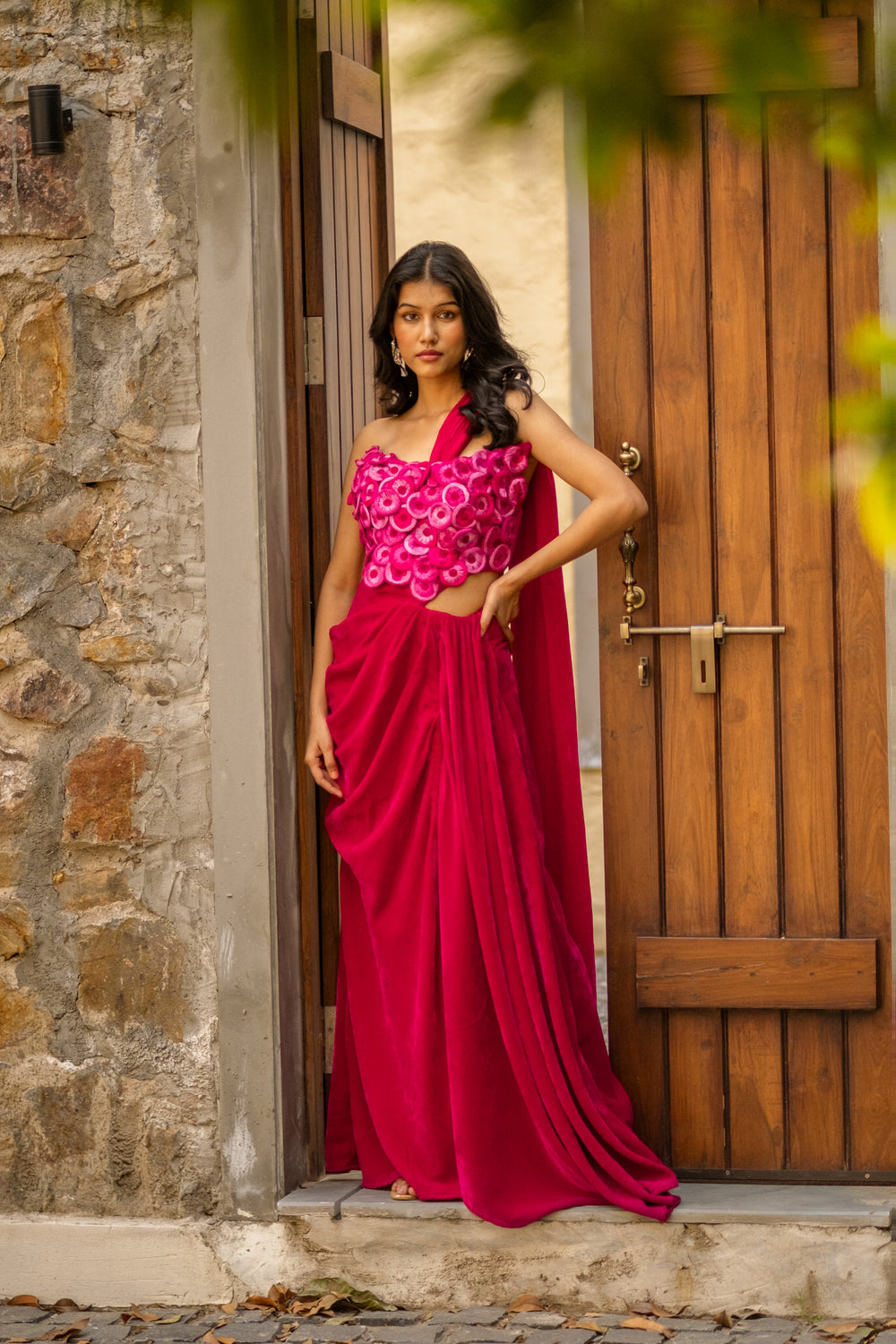
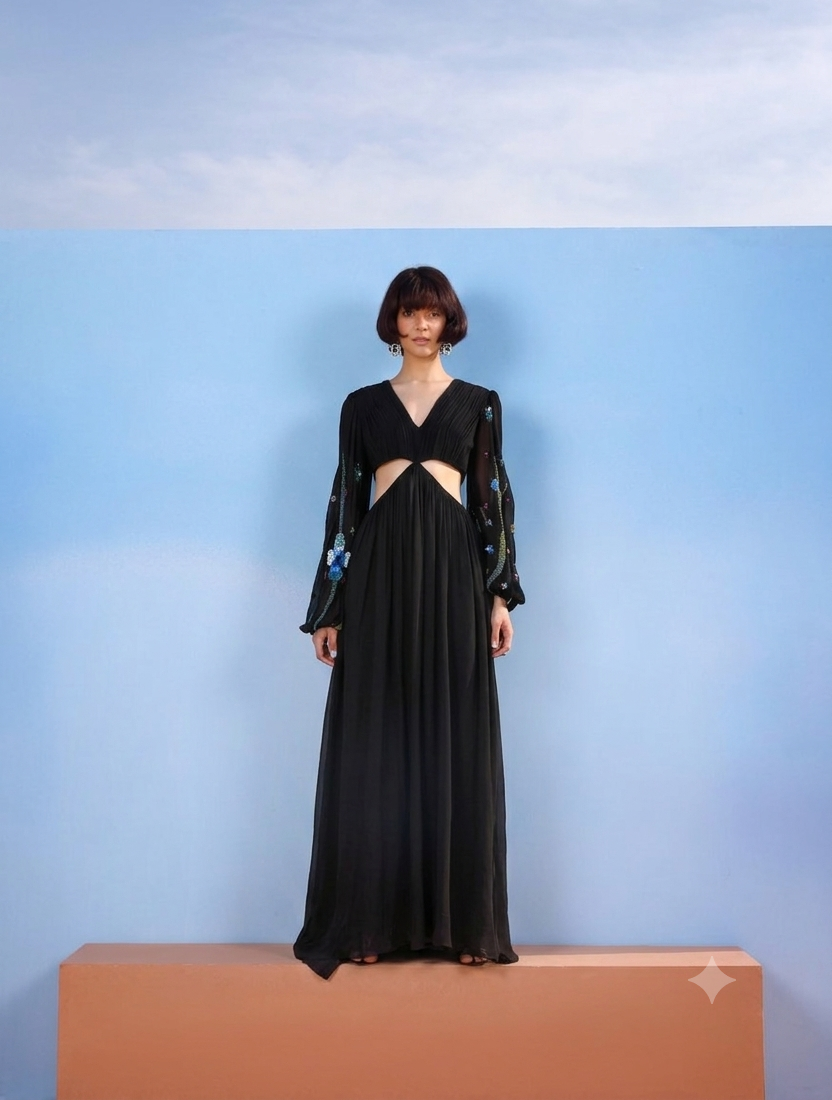
Fashion designing empowers individuals by offering garments that help them express their identity while feeling comfortable and confident. Whether it's bridal couture, evening gowns, contemporary silhouettes, or traditional attire, every design communicates something about the person wearing it.
A thoughtfully designed outfit can create unforgettable memories during life's most meaningful celebrations.
Preserving Heritage Through Modern Design
Fashion constantly evolves, but timeless craftsmanship remains at its heart. Designers play a vital role in preserving traditional techniques while presenting them in contemporary forms.
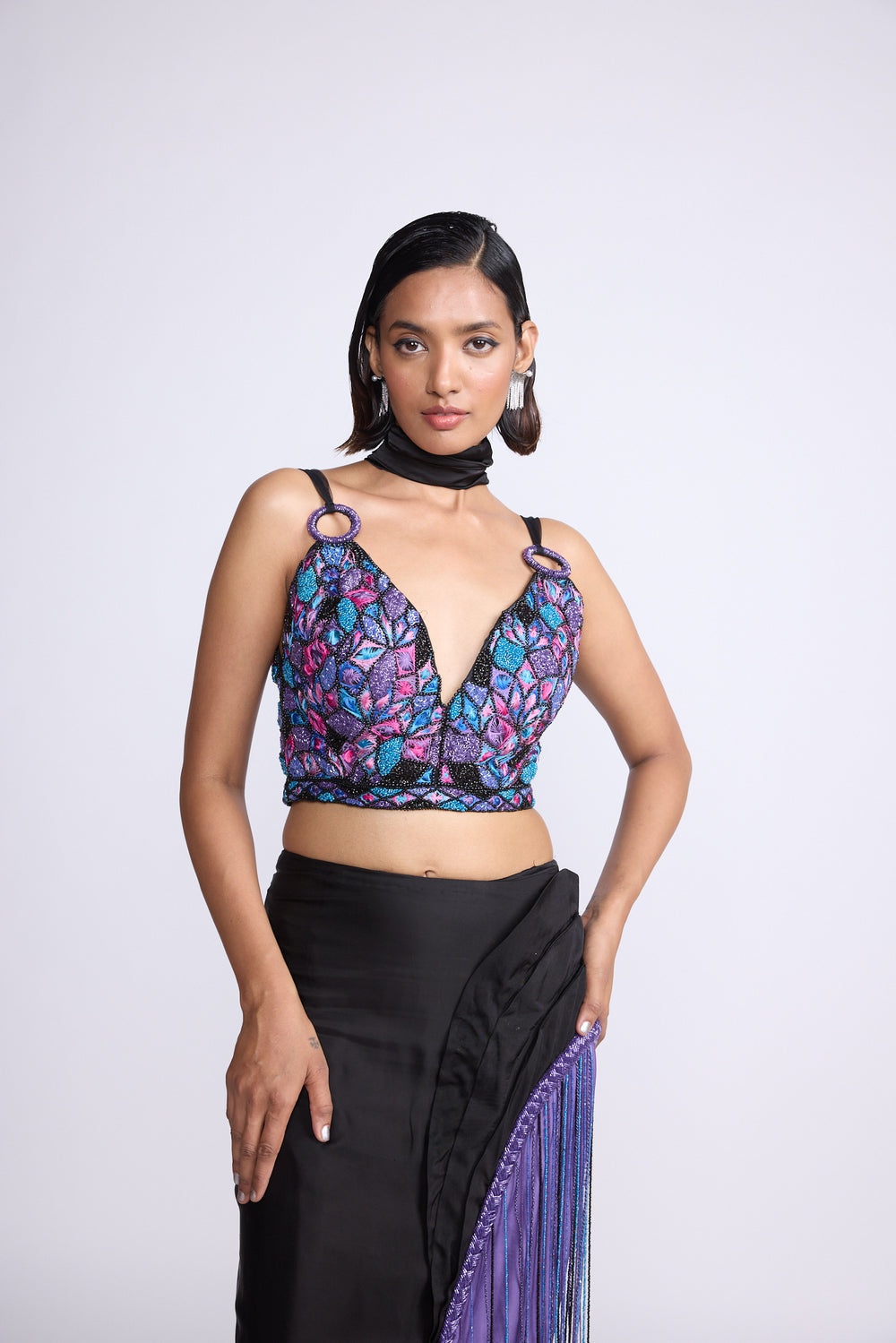
Hand embroidery, weaving, beadwork, zardozi, thread art, and intricate surface embellishments continue to inspire modern couture collections. By combining traditional artistry with modern silhouettes, designers ensure these remarkable techniques remain relevant for future generations.
This balance between heritage and innovation creates garments that feel both classic and contemporary.
The Role of Fabric in Fashion Designing
Fabric forms the foundation of every garment. The same design can appear entirely different depending on the material chosen.
Luxury designers carefully study:
- Texture
- Weight
- Drape
- Durability
- Comfort
- Movement
- Color absorption
The relationship between fabric and silhouette determines how a garment flows, fits, and performs. Selecting the right textile is one of the most important decisions in the design process.
Premium fabrics combined with expert craftsmanship elevate ordinary designs into extraordinary couture.
Attention to Detail Makes the Difference
Luxury fashion is defined by details that many people never notice at first glance.
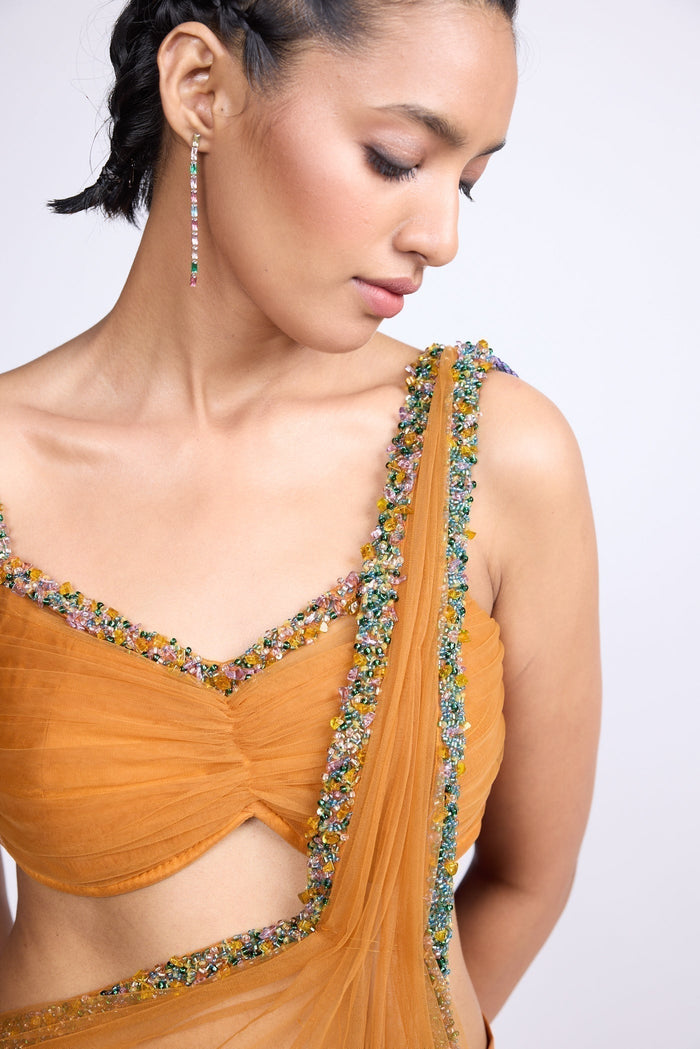
Perfect seams, clean finishing, carefully positioned embroidery, balanced proportions, invisible stitching, and handcrafted embellishments all contribute to the overall elegance of a garment.
These subtle refinements distinguish couture from mass-produced clothing. Every button, bead, pleat, and stitch reflects the designer's commitment to excellence.
It is often these small details that transform a beautiful outfit into a timeless work of art.
Fashion Designing as a Career
Fashion designing offers endless opportunities for individuals passionate about creativity and craftsmanship. Designers can specialize in various fields, including:
- Bridal Couture
- Luxury Fashion
- Ready-to-Wear Collections
- Evening Wear
- Textile Design
- Fashion Illustration
- Costume Design
- Sustainable Fashion
- Fashion Styling
Success in the industry requires continuous learning, adaptability, and dedication. Fashion trends evolve rapidly, making innovation and originality essential qualities for every designer.
The profession combines artistic freedom with technical knowledge, allowing designers to create pieces that inspire people across cultures and generations.
The Future of Fashion Designing
Technology is reshaping the fashion industry through digital design tools, AI-assisted pattern making, and sustainable production methods. However, despite these advancements, handcrafted couture continues to hold unmatched value.
Consumers increasingly appreciate slow fashion, ethical production, and garments created with exceptional craftsmanship. Timeless designs that prioritize quality over quantity are becoming more desirable than fast-changing trends.
The future belongs to designers who embrace innovation while preserving the authenticity of handmade artistry.
Conclusion
Fashion designing is far more than creating clothing—it is the art of storytelling through fabric, craftsmanship, and creativity. Every garment represents countless hours of imagination, dedication, and precision, transforming simple materials into expressions of beauty and individuality.
At Priyaanshi Jain, every couture creation reflects this philosophy by blending timeless elegance with handcrafted excellence. Each design celebrates heritage, embraces innovation, and empowers the wearer with confidence and sophistication.
Because true fashion is not defined by trends—it is defined by craftsmanship, authenticity, and the unforgettable feeling of wearing something created with passion.